
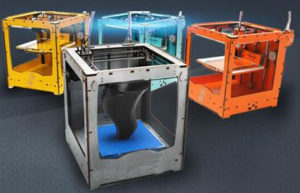
 3-D printing is one of the most disruptive technologies to penetrate the market place. While it is currently and extensively used for prototype design, medical devices and creating novelty items, it has the potential for dramatically changing our way of life.
As new technologies emerge and business models come online, we often see a lag in the law and the activities of business and the consumer. Let’s fast forward a few years while you can still go to your favorite online store, order and pay for your product; but, instead of it being shipped to you, you will be able to download a file(s) and print out your “purchase(s).”
The whole way we “buy” products could change once we are able to download or stream digital files and print them ourselves. In fact, we would no longer buy anything – we would, in all likelihood, licensing software files and products from the vendor.
When we buy something, we generally have the right to resell it and use it as we see fit. This is true even with products that are protected by copyright based on the limits of the copyright owner controlling secondary sales under the First Sale Doctrine. The copyright owner gets to decide who makes the first sale then the person who acquired the lawful copy can resell it (e.g. used CDs, VCR tapes, DVDs, books, etc.). However, the First Sale Doctrine does not apply to licensed goods. So, when we license a 3-D file and print out the product, one should not be confused to think they actually own the file or resulting product, it is being licensed. How do we know if we are buying something and own it or are merely licensing it? The answer it seems depends on what the vendor calls the transaction.Continue Reading 3-D Printing – The End of Shopping As We Know It