The decision reaches beyond competitor false advertising claims, with potentially significant implications for FDA, FTC, state consumer protection, and other regulatory enforcement.

Executive Summary

The Tenth Circuit’s decision in KetoNatural Pet Foods, Inc. v. Hill’s Pet Nutrition, Inc. may ultimately be remembered less for what it says about pet food than for what it says about hyperlinks.

For years, many companies operated under an informal assumption—sometimes referred to as the “two-click rule”—that they could avoid liability for third-party claims so long as those claims appeared on another website that consumers had to navigate to independently. The Tenth Circuit has substantially undermined that assumption. The court held that a company’s own commercial speech may include third-party content that it intentionally incorporates through hyperlinks and curated references when those materials function as part of the company’s promotional message.

Continue Reading Tenth Circuit Rejects the “Two-Click” Safe Harbor: Hyperlinks and Third-Party Content May Create Advertising and Regulatory Liability
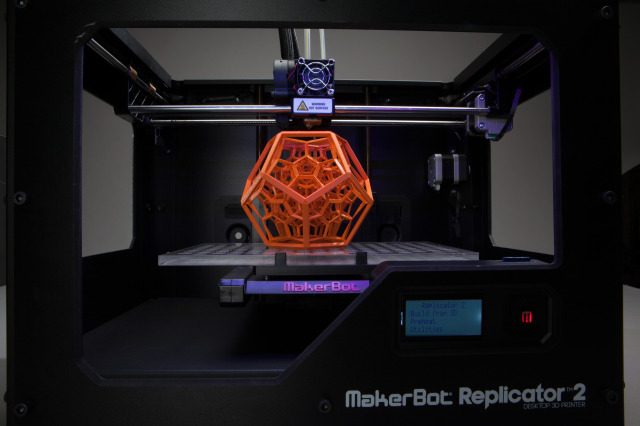
3DPrinterWe agree – the Jetsons era has indeed arrived. Beyond the days of “smart” everything, now 3D printing has taken center stage in the tech world. While it is not so farfetched to imagine 3D-printed machine parts, prototype models, or even toys, it is might be harder to watch it printing foods, implantable medical devices, cosmetics, drugs and even human tissue. All too futuristic? Not really. The technology of 3D-print FDA-regulated products is, in large part, already here and rapidly progressing.

Yet, as technology continues to develop, questions arise as to whether, and how, the U.S. Food and Drug Administration’s (“FDA”) regulatory framework will keep pace to impose the same safety, quality and efficacy standards to 3D-printed foods, drugs, cosmetics, and medical devices that currently apply to traditionally manufactured goods. How FDA chooses to deal with 3D-printed products will significantly impact not only barriers to market entry, but also post-marketing enforcement risks. Similarly, even assuming an FDA-regulated 3D-printed product is successfully brought to market in accordance with FDA standards, manufacturers must still assess options and potential challenges associated with protecting their intellectual property.

Through this multi-part blog series, we will explore these questions, considerations and challenges for 3D printing that are likely to be regulated by FDA, with particular focus on foods (consumed on earth and in space), cosmetics and medical devices. While, at this stage, FDA issues may raise more questions than clear answers, this blog series will explore and discuss the topics that are at the forefront of FDA’s agenda regarding 3D printing and, therefore, require careful consideration by any company that contemplates involvement in the 3D-printed foods, cosmetics or devices industries. 
Continue Reading 3D Printing Series: Before You Click “Print” On Your Pizza, Palette or Prosthetic: FDA and IP Considerations With 3D-Printed Foods, Cosmetics And Medical Devices